
The Future of Technology: How Digital Innovation Is Transforming Our World
Introduction
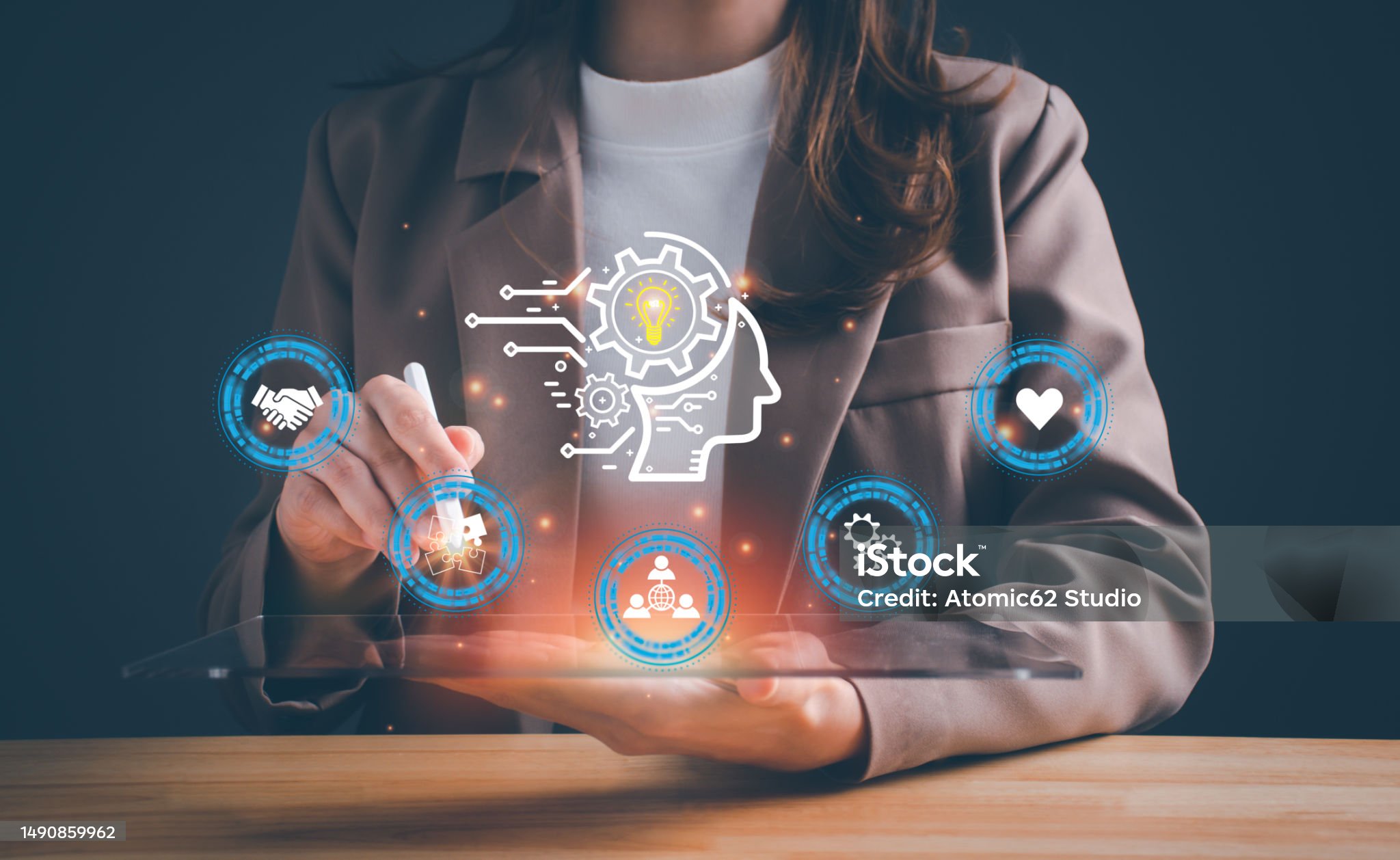
Technology is no longer just a tool we use — it has become the foundation of modern life. From smartphones and cloud computing to artificial intelligence and smart homes, digital innovation is reshaping how we work, communicate, learn, and live. Every industry, from healthcare and education to finance and entertainment, is undergoing a massive transformation driven by technological advancement.
In today’s fast-moving digital world, understanding technology is no longer optional. It is essential for personal growth, business success, and economic development. As new technologies continue to emerge, societies must adapt quickly to remain competitive and sustainable.
This article explores how modern technology is transforming our world, the key innovations driving change, and what the future of digital transformation looks like for individuals and businesses alike.
H2: The Evolution of Technology in the Digital Age
H3: From Basic Tools to Intelligent Systems
Human history has always been shaped by technology. Early tools helped humans survive, while industrial machines transformed economies. Today, digital technologies are creating a new era defined by automation, intelligence, and connectivity.
Unlike past revolutions, modern technology evolves rapidly. Software updates, cloud systems, and artificial intelligence models improve continuously, making digital transformation faster and more impactful than ever before.
H2: Artificial Intelligence and Machine Learning
H3: How AI Is Changing Daily Life
Artificial Intelligence (AI) is no longer a futuristic concept — it is already part of our daily routines. Virtual assistants, recommendation systems, facial recognition, and smart automation are widely used across platforms and services.
AI helps businesses analyze data, predict customer behavior, automate operations, and improve decision-making. In healthcare, AI supports early diagnosis and personalized treatment. In education, it enables adaptive learning systems tailored to individual students.
H3: Ethical and Social Challenges of AI
While AI brings massive benefits, it also raises ethical concerns. Data privacy, job displacement, algorithmic bias, and surveillance are serious challenges that must be addressed responsibly.
The future of AI depends not only on innovation but also on regulation, transparency, and ethical development.
H2: The Role of Cloud Computing
H3: Why Cloud Technology Matters
Cloud computing has revolutionized how data is stored, accessed, and managed. Instead of relying on physical servers, companies now use cloud platforms to run applications, store information, and scale operations efficiently.
Cloud technology enables remote work, digital collaboration, and global business expansion. It reduces costs, improves security, and allows businesses to adapt quickly to market changes.
H2: Internet of Things (IoT) and Smart Living
H3: Connected Devices Everywhere
The Internet of Things connects everyday devices to the internet — from smart TVs and refrigerators to medical devices and industrial machines. These connected systems collect data, communicate with each other, and automate processes.
Smart homes, smart cities, and smart transportation systems are improving efficiency, safety, and quality of life.
H2: Cybersecurity in the Digital World
H3: Why Security Is a Global Priority
As technology advances, cyber threats become more complex. Data breaches, ransomware attacks, and identity theft pose serious risks to individuals and organizations.
Cybersecurity is no longer optional. It is a fundamental requirement for digital trust and online safety. Strong encryption, secure systems, and user awareness are critical components of modern cybersecurity strategies.
H2: Digital Transformation in Business
H3: How Companies Adapt to Technology
Digital transformation is not just about using technology — it is about changing business models, workflows, and culture. Companies that adopt automation, data analytics, and digital platforms gain competitive advantages in efficiency and customer experience.
Startups and large corporations alike rely on technology to innovate, scale, and stay relevant in global markets.
H2: The Impact of Technology on Education
H3: Learning in the Digital Era
Online education platforms, virtual classrooms, and digital resources have transformed learning. Students can now access knowledge globally, learn at their own pace, and develop digital skills essential for modern careers.
Technology has democratized education, making learning more accessible than ever before.
H2: Future Technology Trends
H3: What’s Next?
Future innovations will likely focus on:
Quantum computing
Extended reality (AR/VR/MR)
Biotechnology
Smart automation
Sustainable tech solutions
These technologies will redefine industries and reshape human interaction with the digital world.
H2: Benefits of Technology in Society
Technology improves:
Communication
Healthcare access
Education quality
Economic opportunities
Global connectivity
Innovation speed
Digital tools empower individuals, communities, and nations to grow and develop sustainably.
H2: Challenges of Rapid Technological Growth
Despite its benefits, rapid technological growth creates challenges:
Digital inequality
Job automation risks
Mental health impacts
Data privacy issues
Overdependence on technology
Balanced development is essential to ensure technology serves humanity positively.
Conclusion
Technology is not just shaping the future — it is actively creating it. Digital innovation has transformed every aspect of modern life, offering opportunities for growth, efficiency, and global connection. However, true progress requires responsible development, ethical practices, and inclusive access.
As technology continues to evolve, individuals and businesses must adapt, learn, and innovate. The future belongs to those who embrace digital transformation wisely and strategically.
FAQ – Frequently Asked Questions
What is digital transformation?
Digital transformation is the integration of digital technology into all areas of business and life, changing how organizations operate and deliver value.
How does technology affect daily life?
Technology improves communication, automation, access to information, healthcare, education, and convenience in everyday activities.
Is artificial intelligence dangerous?
AI itself is not dangerous, but misuse, lack of regulation, and unethical development can create risks that must be managed responsibly.
Why is cybersecurity important?
Cybersecurity protects data, systems, and digital identities from cyber threats and online attacks.
What skills are important for the future?
Digital literacy, critical thinking, data analysis, cybersecurity awareness, and adaptability are essential future skills.